
Best Luxury Car Rentals in Cannes for a Scenic French Riviera Road Trip: 2026 Guide for Canadian Travellers
Best Luxury Car Rentals in Cannes for a Scenic French Riviera Road Trip: 2026 Guide for Canadian Travellers
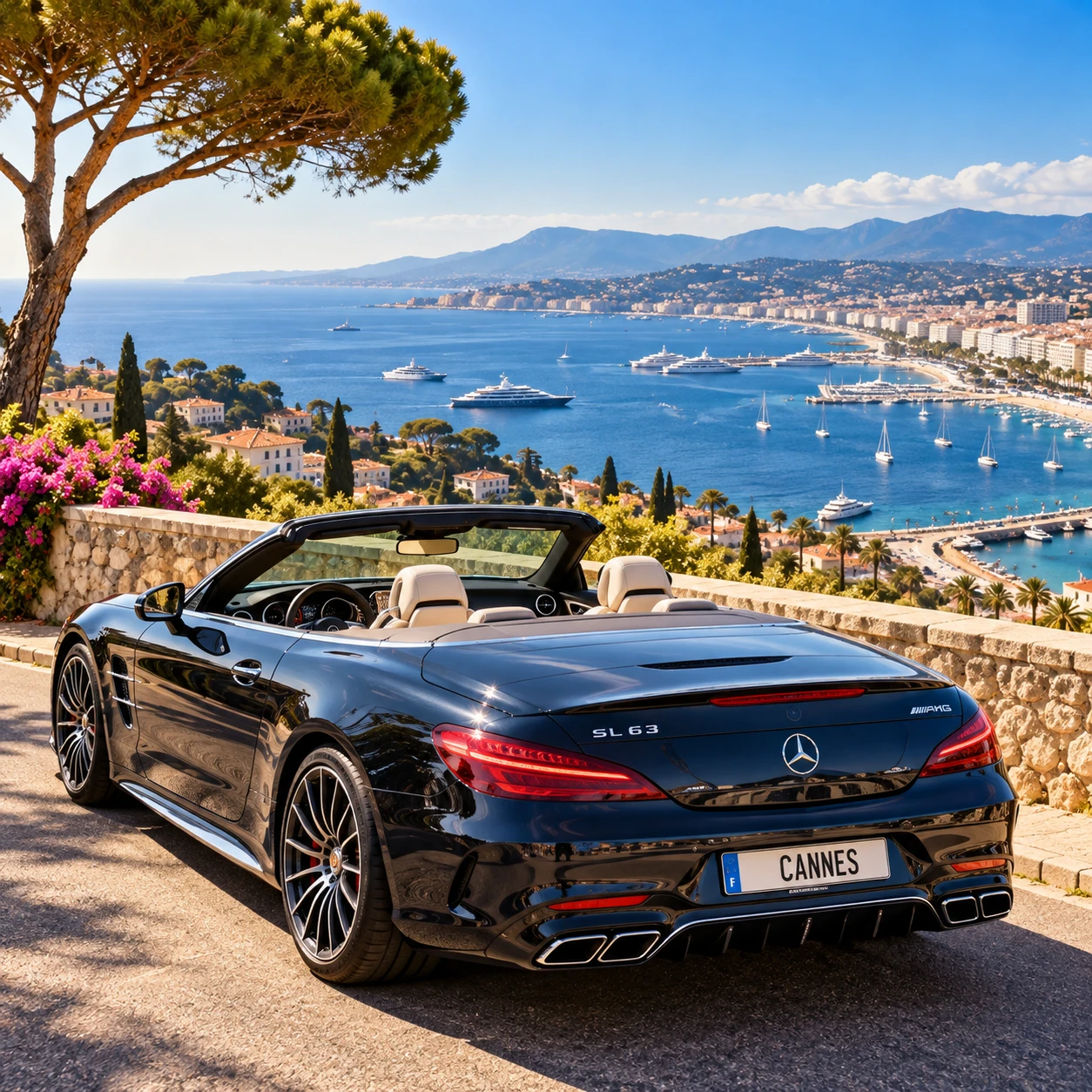
Cannes is hands-down one of the best places to kick off a luxury road trip along the French Riviera. The palm-lined Croisette, those dramatic cliffs between Nice and Monaco, and the glittering water beyond every turn — every stretch feels like it was designed for this. If you’re coming from Canada and want coastal scenery paired with a seriously good car, this is how you do it.
I picked Cannes because it puts the entire Côte d’Azur within reach. Nice is maybe 30 minutes away, Monaco is roughly 35 minutes when traffic cooperates, and Saint-Tropez sits west along one of France’s most iconic coastal roads. Plus Cannes has solid hotels, good restaurants, reliable parking and rental services that don’t rush you straight out of the airport chaos. That makes it a comfortable base rather than just another stop to pass through.
Trains and buses work fine between cities, sure. But a luxury car gives you the freedom to pull over at hidden viewpoints, wander into villages nobody planned to visit, and hit coastal spots on your own clock. The vehicle also changes the whole vibe. A convertible turns Mediterranean light and sea air into part of the experience, while a sedan or SUV gives you comfort, luggage space and shelter when those sudden coastal showers roll in.
Why Cannes Is the Ultimate Starting Point for a French Riviera Luxury Road Trip
Cannes sits almost dead-center on the Côte d’Azur. It’s close to the airport, has strong road links, and works perfectly as a gateway to the Riviera’s best scenery. I’d start with a walk along La Croisette, then grab the rental once I’m ready to leave the city behind. Spending a little time in Cannes first also gives you a chance to get your bearings before the coastal roads start winding.
The French Riviera rewards you with variety. Follow the coast toward Antibes and Nice, cross into Monaco, keep going to Menton and the Italian border — or head west toward Saint-Tropez and the Gulf of Saint-Tropez. A quick detour inland brings you to Grasse, perched up in the hills and known for its perfume history. In other words, you can switch between beaches, villages, mountains and glamorous city stops without rebuilding the entire trip.
Cannes also makes sense for Canadians flying in. Nice Côte d’Azur Airport is usually the easiest arrival point, and the drive to Cannes takes 20 to 30 minutes depending on traffic. Instead of dealing with a massive airport rental lot right away, I prefer staying in Cannes for a night, adjusting to right-hand driving, and picking up the car the next morning when I’m actually awake. It’s a simple approach, but it makes a long travel day much easier to manage.
Top Luxury Vehicles to Rent for Your Côte d’Azur Adventure
The right luxury rental depends on what matters most — open-air scenery, driving comfort, how many people you’re hauling, or simply showing up somewhere in style. Short romantic trip? A convertible is tough to beat. Family week or longer tour? An SUV or big sedan usually makes more sense. Either way, I’d choose the vehicle for the trip rather than choosing the car first and forcing everything else to fit around it.
Convertibles and Sports Cars: The Classic Riviera Choice
A convertible sports car is the classic Côte d’Azur move. I’d look at a Porsche 911 Cabriolet, Ferrari California or Portofino, Lamborghini Huracán Spyder, Maserati GranTurismo, or an Aston Martin V8 Vantage Roadster — it depends on your budget and what feels right. The names are tempting, but I’d also check practical details such as luggage space and ease of parking before getting carried away by the badge.
These cars just work here. The region’s mild, dry climate is built for them. During spring and early fall, I’ll drop the roof for stretches between Cannes, Antibes, Nice and Monaco. The soundtrack alone is worth it: the engine note shifts as the road climbs toward the hills, and you can still see everything even when traffic slows near crowded spots. There’s something about seeing the coastline unfold from an open roof that you don’t quite get through a windshield.
That said, a convertible isn’t automatically the smart choice. Storage is tight, luggage becomes a puzzle, and the car is way less comfortable in brutal heat or a surprise storm. I also wouldn’t leave cameras or electronics sitting around, even with the top up and the car parked somewhere monitored. Convenience matters too, so I’d keep the roof closed during intense traffic and use secure storage rather than leaving valuables in sight.
Luxury Sedans and SUVs: Comfort Meets Elegance
For longer drives, a Mercedes-Benz S-Class, BMW 7 Series, Audi A8 or Genesis G90 hits a really nice balance between refinement and usability. These sedans are perfect for couples who want to move quietly between cities — especially if you’re tackling the Route Napoléon or heading farther inland. The calmer cabin can make a long day feel far less tiring, particularly when you’ve already spent hours in the air.
A Range Rover, Bentley Bentayga, Porsche Cayenne or Mercedes GLE works well for families and bigger groups. The elevated seating helps on winding roads, and the cargo space handles suitcases, golf clubs or beach gear without a fight. Four-wheel drive can add confidence on steep or rural stretches, though the main Riviera routes are paved and maintained pretty well. Just don’t let the added size create more trouble than the extra comfort solves.
Before you pick an SUV, check the size against Riviera parking. A full-size luxury SUV can be a nightmare in Monaco’s narrow streets, older villages and tight underground lots. Compact executive models give you the same prestige with way less hassle. I’ve found that the most impressive car on the road isn’t worth much if you spend half the day searching for somewhere to put it.
Must-Drive Scenic Routes from Cannes Along the French Riviera
The distances between major spots are totally manageable, but the roads deserve more time than a map suggests. Build in extra time for photos, traffic and stops you didn’t plan — don’t try cramming every landmark into one day. The Riviera is at its best when you can slow down, pull over safely and let the scenery catch up with you.
- Cannes to Monaco and Menton: About 50 kilometres each way, normally 1 to 1.5 hours. This route gets you to the Corniches, coastal viewpoints and the Italian border.
- Cannes to Saint-Tropez: Roughly 110 to 125 kilometres, around 2 to 2.5 hours. Factor in extra time for the Esterel hills, Pampelonne beach and summer crowds approaching Saint-Tropez.
- Cannes to Grasse: About 20 kilometres and 35 to 50 minutes. This inland climb takes you through hills to perfume workshops, scenic villages and elevated coast views.
- Route Napoléon: From Nice toward the Italian border, the historic route passes through Saorge, Col de la Madone and the mountainous Roya valley. Less convenient from Cannes but excellent for a full-day trip.
The Three Corniches: Monaco and Beyond
The Three Corniches are the defining coastal drives here. The Grande Corniche runs from Nice to Monaco, passing Eze, Cap Ferrat and many of the Riviera’s most jaw-dropping viewpoints. The Moyenne Corniche also links Nice and Monaco but gives you a more varied route through Cap d’Ail, Roquebrune and several hilltop spots. The Basse Corniche continues from Monaco toward Menton, hugging the shoreline more closely and running through places like Roquebrune-Cap-Martin and Cap Martin. Pick one for the day and give it room to breathe; trying to see every bend in a hurry can spoil the point.
My favourite viewpoint? The stretch around Cap d’Ail, where blue water breaks between rocky headlands. For a quick stop near Eze, I’d arrive early — the village gets mobbed once tour groups and cruise visitors show up. The Col de la Madone road near the Moyenne Corniche is more challenging, so I save that for drivers comfortable with narrow bends and serious gradients. If you’re nervous about those bends, the gentler coastal sections are more than rewarding.
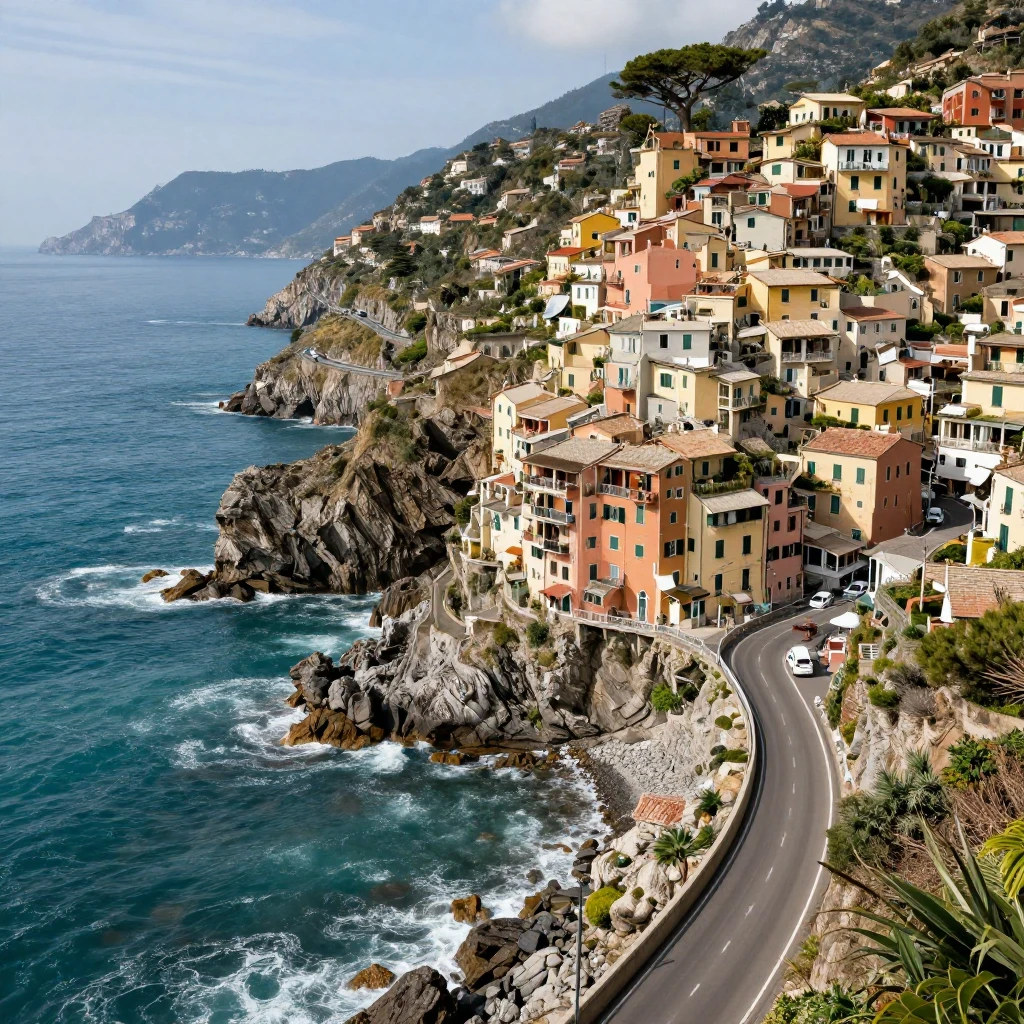
For a western extension, the Route de la Mer runs from Cannes through Mandelieu-la-Napoule, Antibes and on to Saint-Tropez. Summer traffic can be brutal, so leaving before 8 a.m. makes the drive way more enjoyable. In shoulder season, the same road feels relaxed and gorgeous. I’d still check current road conditions before leaving, especially during festivals or holiday weekends.
How to Select and Book Your Luxury Car Rental in Cannes
I start by comparing companies based on recent customer reviews, vehicle condition, transparent pricing and whether they offer solid roadside assistance. Reviews help a lot when a provider has multiple branches or vehicle categories. Reading feedback on a trusted location de voitures de luxe à Cannes service can surface recurring problems — delayed delivery, vague fuel policies, sketchy damage claims. I read the complaints, but I also look for how the company responded, since that often tells you more than the complaint alone.
Before I confirm a booking, I nail down the exact model or vehicle class, pickup location, mileage allowance, cancellation terms, fuel rules and insurance coverage. I also check whether the supplier provides international driving permit support, replacement vehicles and multilingual help. If a representative gives me an answer on the phone, I ask for it in writing before payment. Clear terms are much easier to deal with than a promise made at the counter.
At pickup, I photograph every panel, wheel, window and dashboard surface. These images create a shared record of the car’s condition and help avoid disputes over small pre-existing marks later. I also confirm where the car can be returned and whether after-hours drop-off is an option. It takes a few extra minutes, but it makes the handover much smoother if something doesn’t look right.
Understanding Luxury Rental Costs and Deposit Requirements
Luxury rentals cost more than standard cars because of the model, insurance, service quality and limited availability. Convertibles and performance cars command the highest premiums, especially between May and September. The quoted rate might include basic protection, but liability limits, roadside assistance, airport fees, additional drivers and young-driver surcharges can all bump the final total. I ask for the complete price before booking, including any charges that might appear at pickup or return.
Most suppliers need a major credit card in the main driver’s name for the security deposit. The amount varies by vehicle and coverage level — it can be several thousand euros for an exotic car. I check the deposit before booking and make sure my available credit limit covers it. Mileage limits matter too; luxury packages sometimes include a generous allowance, while premium sports cars may cap distance or charge per extra kilometre. Knowing both the deposit and mileage rules prevents a nasty surprise later.
Essential Tips for Canadian Travelers Renting in France
A valid Canadian licence is required, and an International Driving Permit is strongly recommended because it translates your licence into a standardized format. The permit doesn’t replace your original licence, so I carry both. If your licence isn’t in English or French, the official translation may also be important. I keep these documents in my carry-on, not in the checked luggage.
- Driving side: France drives on the right, same as Canada. I avoid unfamiliar roads during rush hour and give myself time to adjust.
- Insurance: Canadian credit-card coverage may only apply when you pay the full rental with that card, and it may exclude liability, tyres, glass or certain premium vehicles. I get written confirmation before declining the rental company’s protection.
- Speed limits: Typical limits are 50 km/h in towns, 80 km/h on many rural two-way roads and 110 km/h on faster roads, unless signs say otherwise. Standard Autoroute limit is 130 km/h, reduced in rain.
- Tolls: Major French motorways use barrier tolls, while some routes use télépéage. I ask the rental company how electronic tolling fees are handled.
- Parking: Municipal and underground parking is safer than hunting for roadside spaces. I never leave luggage visible and I don’t park where signs prohibit it.
- Payment: I carry a Visa or Mastercard, plus a backup card, and I notify my bank about the trip. Card terminals may ask for a PIN.
French traffic rules are enforced seriously. Mobile phones must stay out of your hand while driving, and every passenger needs to wear a seat belt. I keep a paper map or offline navigation handy because signal coverage can get patchy in the mountains. A small amount of preparation makes the less familiar roads much less distracting.
Best Time to Book Your French Riviera Luxury Car Road Trip from Canada
For Canadians, May, June, September and October offer the best mix of scenery, weather and manageable crowds. These months usually give you warm enough weather for a convertible while dodging the intense crush of July and August. May can bring occasional rain, and October is less reliable for top-down driving, but both are still excellent choices for a luxury tour. I’d keep flexible dates around the weather rather than locking every hour of the itinerary in advance.
Summer brings festivals, beach traffic and higher rental prices. Cannes gets slammed during the film festival in May, while Monaco’s Grand Prix in late May creates insane demand for cars and rooms. If you’re travelling around those events, book the vehicle and accommodation months ahead and expect to pay more. Early booking matters even more if you’re hoping for a particular convertible or sports car model.
Flights from Toronto and Montreal to Nice are straightforward, and Vancouver offers connections through European hubs. I add at least one night in Cannes before picking up the car, especially after a long international flight. Landing at the airport and driving immediately is exhausting; staying overnight buffers delays and lets me explore Cannes without battling unfamiliar traffic. It also gives me a chance to pick up any forgotten supplies before the road trip begins.
For the best balance of weather, value and freedom, I’d travel in late May or late September. Book convertible inventory early, confirm insurance and deposit details, download offline maps and plan each full-day drive around the weather. With that prep, a luxury rental becomes way more than just transportation — it’s the most engaging way to experience the French Riviera from Cannes in 2026.


